
Only one turd this week.
The Crow
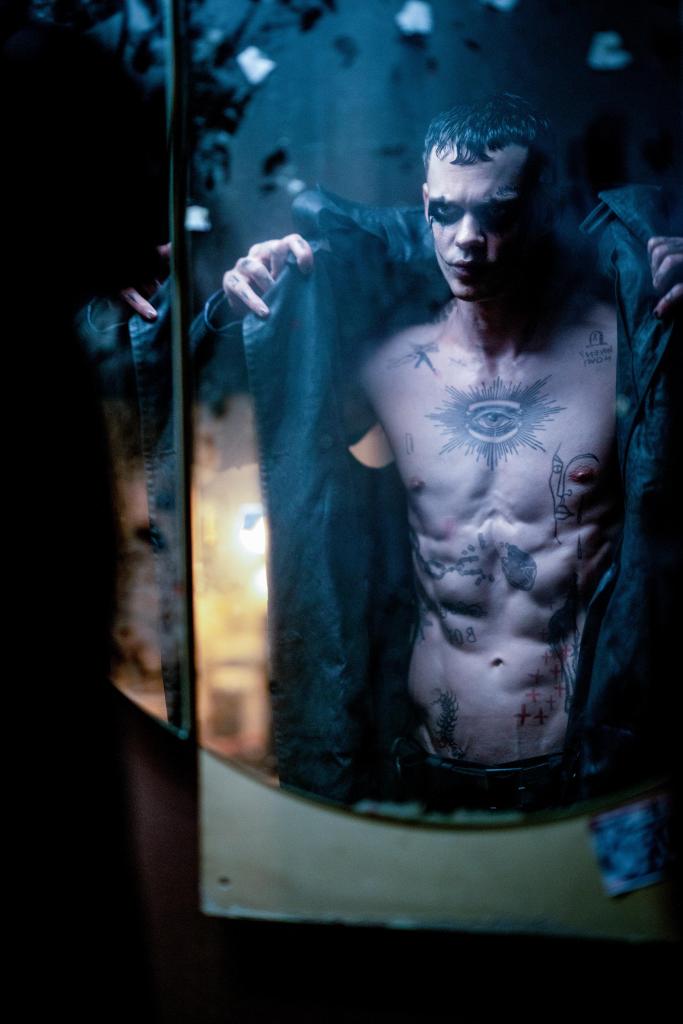
When I think about films that defined how I began looking at movies in my early childhood, Alex Proyas‘ The Crow comes to mind. I saw it at the early age of six, when my sister, ten years my senior, rented it for a sleepover with her friends. I’m sure they all had crushes on Brandon Lee, and the tragic real-life story of his accidental death on set led to the intrigue of the movie, but I mostly responded to the visual look of the world the film is set in. It is a dark, cold, rainy city where everyone is miserable, and crime is so rampant if the police aren’t already in on it, they’re no doubt powerless to do anything about it. Besides that, it’s a fairly pedestrian revenge story of a scorned lover returned from the dead to punish those who brutally assaulted and murdered his fiancé. The setting and the visuals are what truly make this 1994 film memorable.
Of course, with any successful action or horror film comes sequels. The first, 1996’s The Crow: City of Angels, looks great but is a narrative mess. That’s because the Weinstein Creatures famously used their producer power to re-edit it to be closer to the original when director Tim Pope was trying to do something different with it. After that came two straight-to-VHS sequels that both looked awful and were poorly written – 2000’s The Crow: Salvation with an early performance by Kirsten Dunst and 2005’s The Crow: Wicked Prayer with a horrendously miscast Edward Furlong as our reanimated avenger and a ridiculous David Boreanaz (Angel from Buffy) as the villain. There was also an aggressively lame Canadian television drama, The Crow: Stairway to Heaven, starring Iron Chef‘s Mark Dacascos, between the second and third movies.
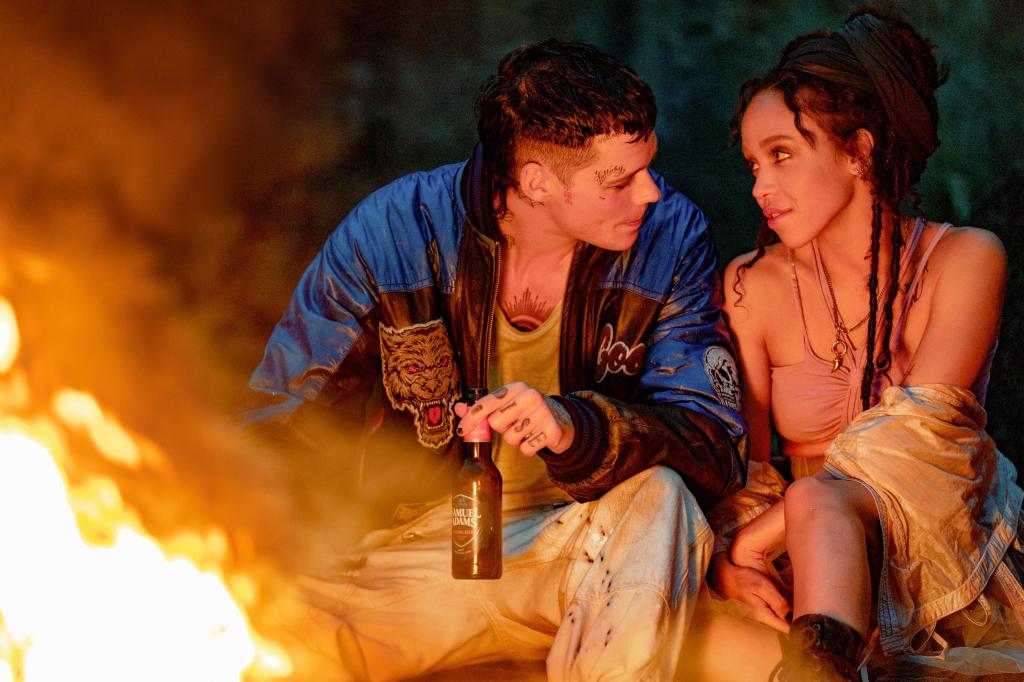
Finally, we have 2024’s The Crow, possibly the worst entry in a franchise that is known for being especially shitty. This installment had the biggest budget out of any of these movies by a landslide and cast an already proven star in its lead (the very talented Bill Skarsgård) with a well-known singer/songwriter, FKA Twigs, in her first major acting role. If the movie had simply taken a bunch of big swings that didn’t pay off, it would have been easier to forgive its incompetence. However, 2024’s The Crow reeks of pure laziness. I wasn’t on set, so I can’t confirm, but what we’re left with on screen is the feeling that nobody involved gave a shit. As Roger Ebert would say, this is filmmaking by the numbers, without soul.
Let’s start with the visuals, the aspect that initially attracted a young Margetis to this cinematic world. Everything looks half-assed and unfinished, like the earliest draft of a project you’d show your boss to convince him you’re working on something. In fact, at one point, a character essentially apologizes for the lousy art direction. When our Crow dies and enters the netherworld, the angel/demon guiding him says, “Sorry, it’s not much to look at, but people generally don’t spend much time here.” This movie’s idea of the netherworld is an abandoned train station with M.C. Escher-like sideways railings in the sky. The rest of the world, the natural world, looks entirely like our own…basically, an undressed shooting location. Visually, this movie might as well be a Kohl’s commercial. This is great if you’re making a Kohl’s commercial but bad if you’re making a Crow movie.
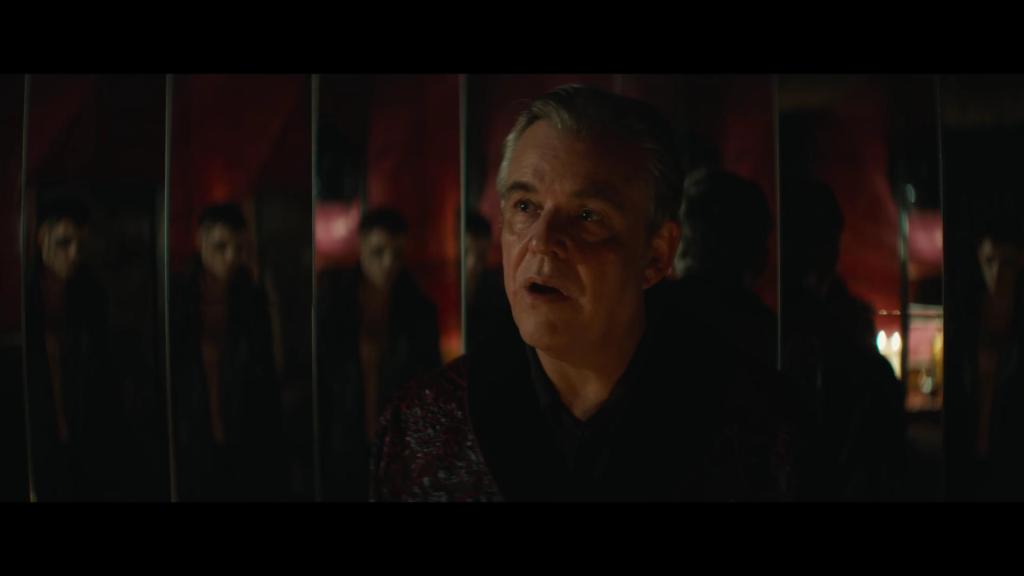
As disappointing as the visuals are, the screenplay is even worse. Horribly paced with the story’s inciting incident not even happening until halfway through the runtime, we instead spend time watching pre-Crow Eric Draven (Skarsgård) and Shelly (FKA Twigs) meet and fall for each other in a local mental hospital or co-ed prison. One of the two, I don’t remember. It’s almost impressive how little chemistry the two have, and it’s not helped by the fact that FKA Twigs is exceptionally unnatural and unconvincing in the role. The first half of this movie honestly feels like Annie Hall, written by Glenn Danzig. A love story between two thoroughly underdeveloped characters who make dumb decisions and have ugly tattoos, tell each other they’re hot, and have a bunch of sex with each other. Can they die soon, please? Halfway through, they get attacked and murdered by an evil organization looking for FKA Twigs because she witnessed a murder that was committed using Satanic magic. In the original, this happens within the first five minutes because at least that movie realized the depth of Eric and Shelly’s love isn’t worth an hour of screen time. Anyway, the murderous organization is led by a dude who sold his soul to the devil, and now a bunch of people work for him for some reason. It’s unclear. Anyway, he’s played by the great Danny Huston (John‘s son, Anjelica’s brother, Jack‘s father), who gets nothing to do but look sinister. After that, Eric becomes The Crow and returns to get his revenge – very slowly. Very, very slowly.
There is one three-minute scene I enjoyed. It’s an action scene towards the very end where The Crow kills a bunch of bodyguards in the lobby of an Opera House. It’s not a particularly well-choreographed sequence, but it at least moves the story forward. That’s the nicest thing I can say about this movie. That this dumb action sequence was the most entertained I felt during its nearly two-hour running time. I walked into this movie knowing it would be lousy, but I never expected it to be this boring and toothless. It would have been nice to see one bold or unsafe choice being made, but it feels like the Lionsgate executive board got together for a corporate bonding workshop and produced this screenplay. It’s utterly devoid of any artistry or personality. It’s not just bad; it’s evil. Grade: F (In Theaters)
Sing Sing
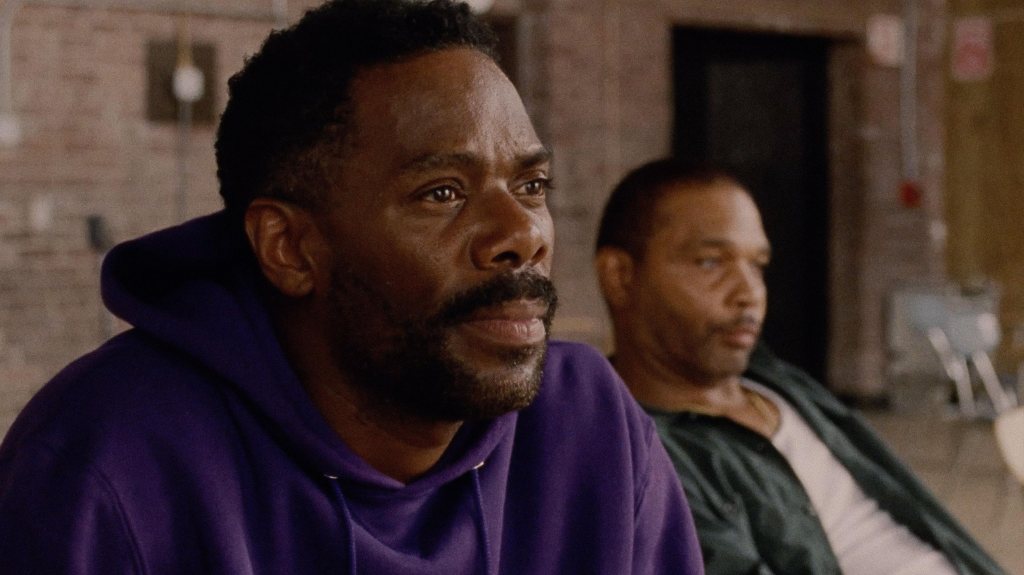
Despite having the absolute best intentions and a tremendous lead performance by Colman Domingo, and I do mean tremendous, Sing Sing fell a little short for me. I wouldn’t go as far as to call it a made-for-TV movie, but I was taken aback by the absolute lack of nuance or subtlety of any character or situation in this story. Sure, the trailers painted it as tear-jerking Oscar bait, but I thought that was a desperate marketing tactic to get people to come see a depressing prison movie. This isn’t to say that prison movies need to be sad or overtly cynical to work; it’s just saying that some of the storytelling shortcuts Sing Sing takes to make its way to your tear ducts feel a little cheap and unearned.
Colman Domingo plays Divine G, a prisoner at Sing Sing who finds purpose in a little theater troupe he and some other prisoners built. There him and other inmates put on their own plays and use theater as way to get in touch with their feelings and speak about them in ways they perhaps never before could. When Divine G sees Clarence “Divine Eye” Maclin (played by himself) hustling a dude over drugs in the yard, he thinks he has the raw makings of a good actor. He approaches the hardened man who expresses some interest in being an actor but, of course, finds the whole thing kinda lame and weird. Slowly but surely, Divine G helps Maclin become a better actor and person, giving each other a better perspective on life. From there, the movie hurdles towards a basic conclusion, with each twist and turn being more predictable and maudlin than the next.
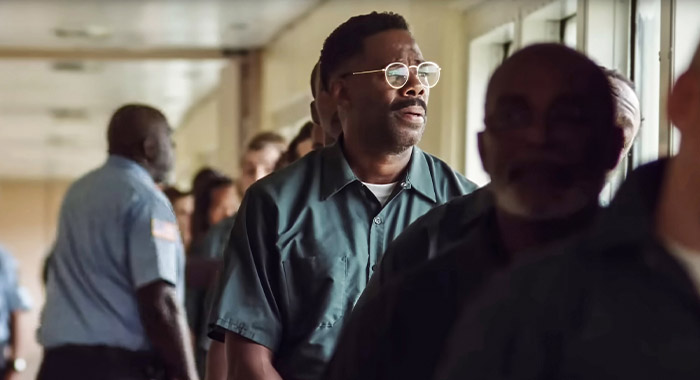
There’s a lot to Sing Sing that I liked. It has a beautiful message about redemption and the power of theater as therapy. It never sees the convicts as monsters but doesn’t excuse their crimes either. There are also some great moments when you see the prisoners actually performing theater, which explains their motivations and personalities better than having them sit in a circle and take turns plainly saying exactly what they’re thinking and feeling. Those scenes are rough and highly didactic; more running around with a cardboard sword, please! As I said before, Domingo is in top form here, and it’s only because of his specific and detail-oriented performance that we notice the many faults around him, starting with the roughness of some of the other actors.
The filmmakers used real inmates to play versions of themselves, which is a good instinct and has worked well for directors like Sean Baker and the Safdies. However, more seasoned film actors would have brought more detail and depth to their characters, conveying complex emotions without having a mini-monologue explaining precisely what they’re going through.
I’m granting Sing Sing parole because while it really hits you over the head with its message, like I seriously might have bruises, it has a good heart and good ideas about prison reform. It introduced me to a subject I never would have otherwise known about – theater programs in prisons – and it features a great Colman Domingo performance. However, as good as Domingo is, I ultimately think Sing Sing would have been more honest and impactful as a documentary. It’s such an interesting premise that it doesn’t need dramatization. Grade: B- (In Theaters)
Strange Darling

Strange Darling is a confounding experience. The opening title card very smugly announces that the entire movie was shot on 35mm. It then cuts to a homage of Tobe Hooper‘s Texas Chain Saw Massacre, where a prologue scroll runs down the screen, announcing that this movie is about one of the most unique serial killers in history who killed a bunch of people in the Denver area from 2018 to 2020. It’s narrated by Jason Patric doing his best John Larroquette impression. Then, the title card announces this is a thriller in six separate chapters, played out of order. At the same time, our final girl actress runs towards the camera in a deslate field, head bloodied and face clearly traumatized while a cover of Love Hurts by Z Berg featuring Keith Carradine plays. What the fuck was I in for? A very prentious, deeply uncomfortable film that despite being a bit up its own ass, succeeds on almost every level of filmmaking and storytelling.
Strange Darling begins with Chapter 3, skips to 5, goes back to 1, jumps to 4, then back 2, and finally saves it’s concluding chapter for last. While many would argue that the movie does not need to do this and this is merely a needless display of big-dickery-look-what-I-can-do by first-time filmmaker J.T. Mollner, the fact he’s able to pull it off is impressive. It also helps position this story as less about a chain of events and more about who these people really are – both to each other and to themselves. Mollner has two very complex lead characters to work with here and he skillfully builds a compelling story around them. It certainly helps these roles are inhabited by two tremendous actors – Kyle Gallner and Willa Fitzgerald. Gallner is great as always in the type of hard-edged and menacing role indie movie fans have come to associate him with, while Fitzgerald is absolutely mesmerizing, giving the best screen performance I’ve seen all year. Speaking of actors, Giovanni Ribisi is the cinematographer of this movie and he does an amazing job.
Strange Darling fumbles a bit in the final act and in an attempt to explore the inverse of certain slasher archetypes, crosses a social line that’s going to piss a lot of audience members off. Unfortunately, going into depth on why the last chapter doesn’t work as well as it could or why I ultimately don’t think its gender politics lean misogynistic would spoil the entire experience for you. This type of thriller is only effective if you know as little as possible going in. At 96 minutes, it’s near perfect for 75 of them. Grade: B+ (In Theaters)
IN THEATERS
AVAILABLE ON DEMAND
AVAILABLE ON NETFLIX

Interview with the Vampire (Season 1)
AVAILABLE ON MAX
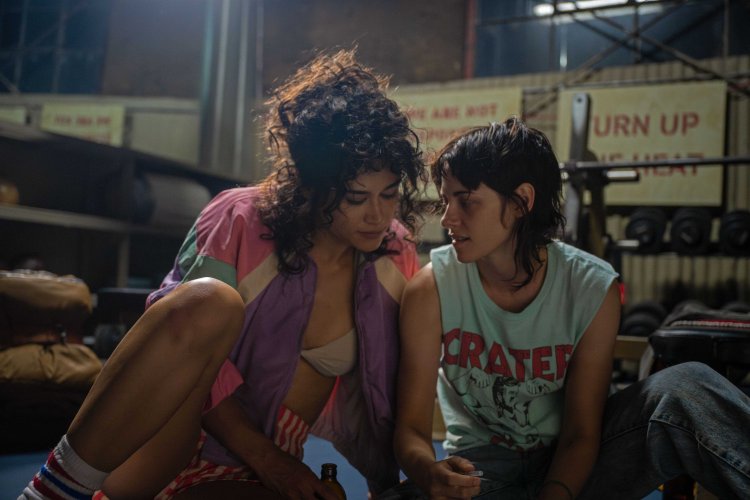
Fantasmas (Season 1)
AVAILABLE ON HULU
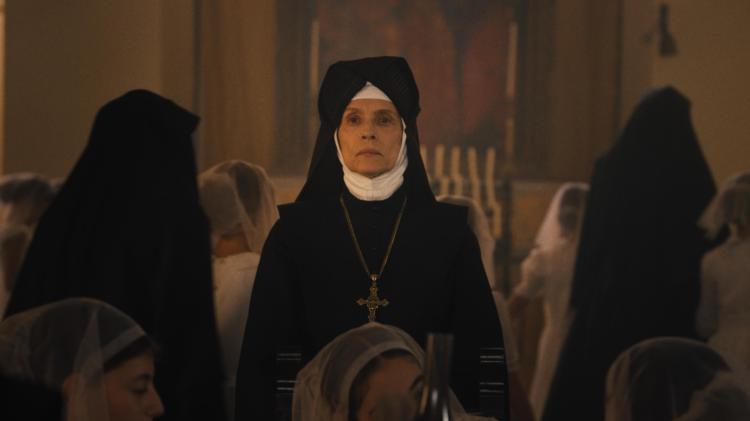
The Bear (Season 3)
AVAILABLE ON AMAZON PRIME
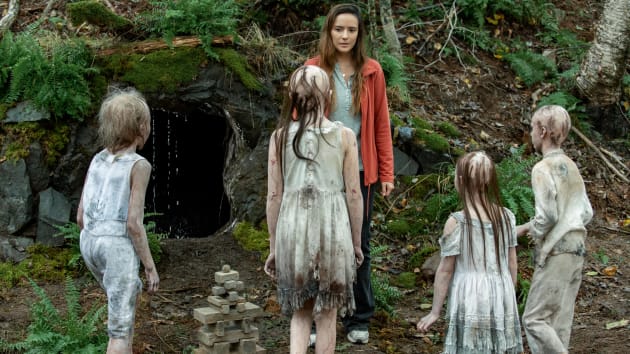
The Boys (Season 4)
Fallout (Season 1)
From (Season 1)
AVAILABLE ON PARAMOUNT+
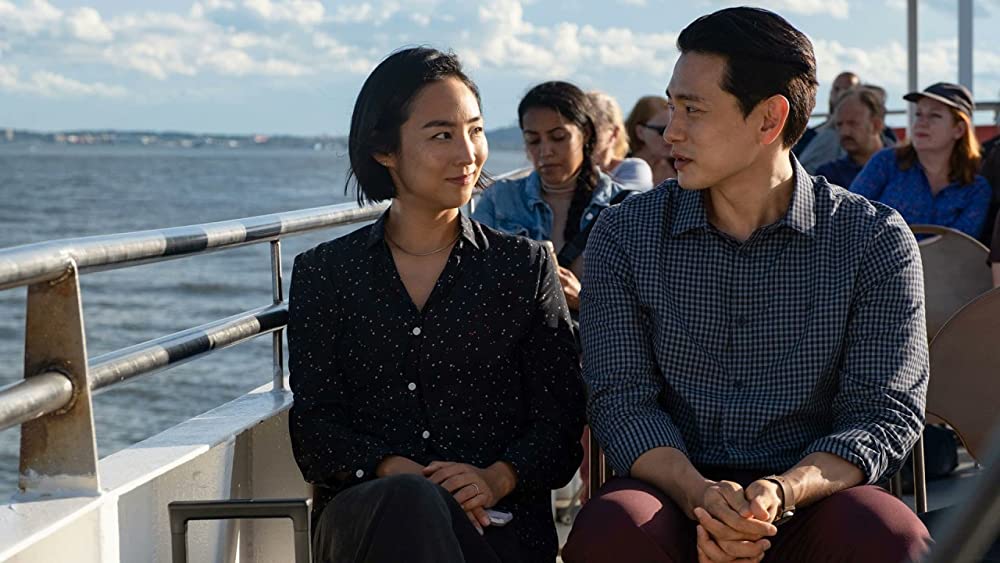
Mission: Impossible – Dead Reckoning
Tulsa King (Season 1)
AVAILABLE ON PEACOCK

Poker Face (Season 1)
 Margetis Movie Reviews